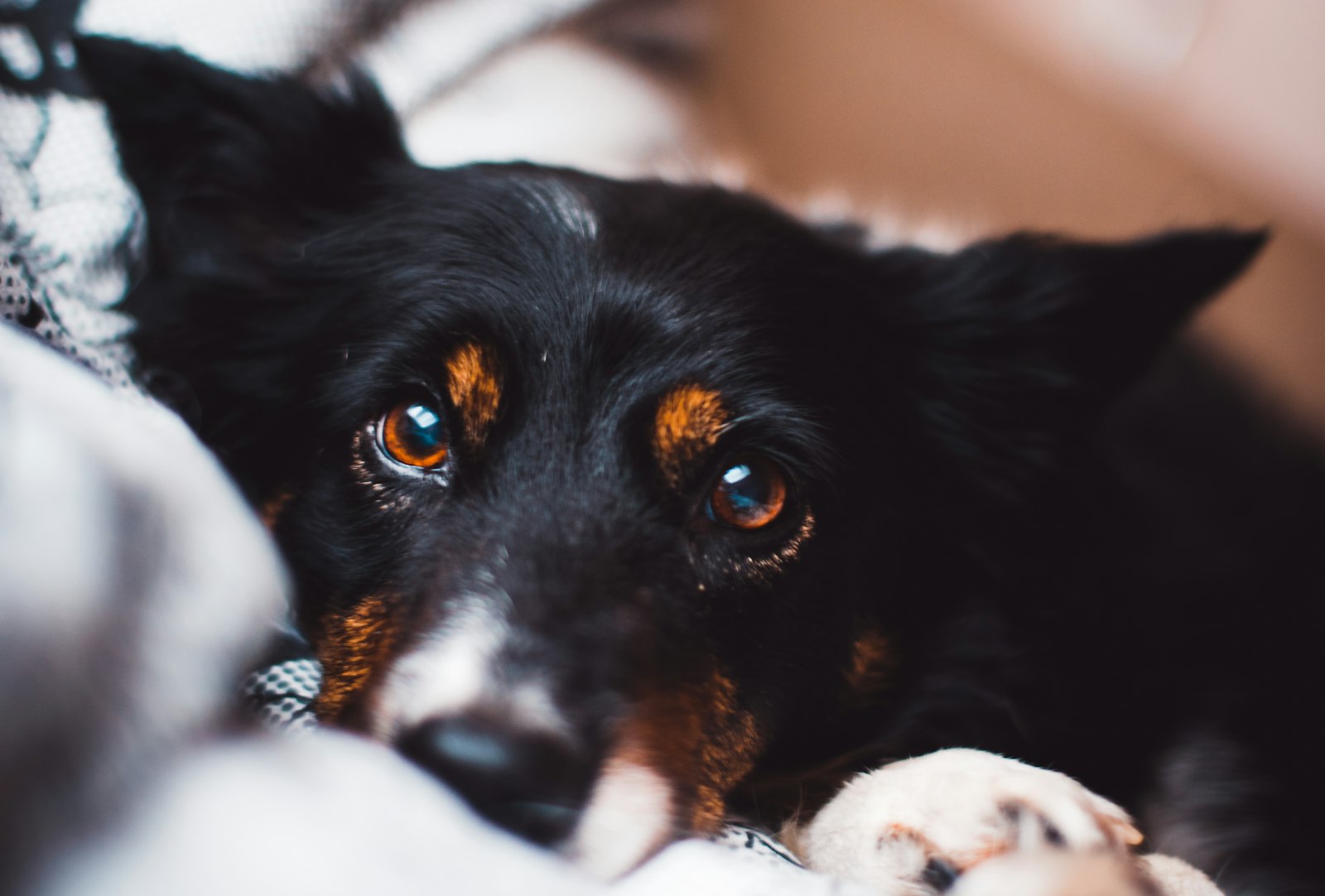
Dog grooming in Pleasanton works best when it is treated as regular care, not something to think about only when the coat gets shaggy or the nails get too long. A good routine helps keep dogs comfortable, keeps coats and skin in better shape, and makes grooming less stressful over time.
That routine will not look the same for every dog. A doodle with a soft, fast-matting coat needs a different schedule than a Labrador that mostly needs baths, brushing, and nail trims. A puppy learning to accept handling needs a different approach than a senior dog that cannot stand comfortably for a long session. The best grooming plan depends on coat type, age, temperament, and daily lifestyle.
In Pleasanton, many dogs are active and out with their families often. They go on neighborhood walks, spend time outdoors, ride in the car, and pick up dust, loose fur, plant debris, and tangles along the way. That does not mean every dog needs frequent full haircuts. It does mean routine maintenance matters more than many owners expect.
Why grooming is part of regular dog care
Grooming is often seen as cosmetic, but the practical side matters more. Regular grooming can help with matting, trapped undercoat, overgrown nails, dirty paw fur, ear buildup, and skin issues that are easy to miss under the coat.
It also makes day-to-day life easier. A dog that is brushed out, trimmed appropriately, and kept on schedule is usually more comfortable at home and easier to maintain between appointments. That is especially true for dogs with coats that keep growing or tangle easily.
When grooming is delayed too long, the next visit often becomes a correction instead of normal upkeep. Mats may need to be clipped out. Nails may be too long. The dog may already be uncomfortable before the appointment even starts. A steady routine usually prevents that cycle.
Start with coat type, not a generic timeline
The simplest way to build a grooming routine is to start with the coat in front of you.
Dogs with curly, wavy, or continuously growing coats usually need the most structure. Poodles, doodles, bichons, shih tzus, and similar mixes often need professional grooming every four to six weeks, sometimes sooner if the coat is kept longer. These coats can mat quickly, especially behind the ears, under harnesses, around the legs, and near the tail.
Double-coated breeds have different needs. Golden retrievers, huskies, shepherds, and similar dogs may not need haircuts, but they often benefit from regular brushing, bathing, and de-shedding. A thick coat can look fine on top while loose undercoat builds underneath, which can affect comfort and make shedding harder to manage at home.
Short-coated dogs still need grooming too. They may not need trimming, but baths, nail trims, ear checks, and skin and coat care still matter, especially for dogs that shed heavily or spend a lot of time outdoors.
That is why a useful grooming plan is based on the dog, not on a one-size-fits-all schedule pulled from a search result.
Why Pleasanton dogs often need practical maintenance
Pleasanton dogs are often woven into everyday family life. They walk through neighborhoods, spend time outside, and join their people for errands and weekend outings. Dogs that get regular outdoor time on local walking routes or around open-space areas can pick up dust, stickers, and loose debris faster than owners realize.
Lifestyle matters as much as breed. An active dog may need more brushing, paw cleanup, and bathing support than a more home-centered dog with the same coat type. Some dogs do well with full grooms on a set cycle. Others do better with regular bath-and-brush visits plus nail trims in between.
The best routine is the one you can maintain consistently. For some households, that means keeping the coat shorter so brushing at home stays realistic. For others, it means scheduling maintenance before the coat starts to slip out of control.
What to look for in a groomer
When searching for dog grooming in Pleasanton, it is easy to focus on convenience, price, or before-and-after photos. Those things matter, but they do not tell you everything.
A good groomer should ask questions about your dog’s coat condition, brushing routine, age, temperament, and past grooming experience. They should be able to explain what schedule makes sense, what coat length is realistic, and whether your dog may need maintenance visits between full grooms.
Clear communication is one of the best signs. If a groomer can explain why a longer style will require more brushing at home, or why a matted coat may need a fresh start, that usually leads to better results and fewer surprises.
Temperament fit matters too. Some groomers are especially good with puppies. Others work particularly well with nervous dogs, seniors, or dogs that need frequent upkeep. The best fit is often the person who understands your dog and can work with them consistently over time.
Puppies do better when grooming starts early
For puppies, grooming is less about appearance and more about learning that handling is normal. Early visits help puppies get used to brushing, bathing, nail trims, dryer noise, clipper sounds, and standing on the table.
Those first appointments are often about comfort and cooperation, not a perfect finished style. That matters even more for puppies that will need regular coat care throughout life. If a doodle or poodle mix does not see a groomer until the coat is already tangled, the first full appointment can be much harder than it needs to be.
Short, calm visits can build confidence and make future grooming easier for everyone.
Senior dogs usually need a gentler plan
Older dogs often need grooming to be adjusted around comfort. Joint stiffness, thinner skin, balance issues, hearing loss, and lower tolerance for long sessions can all change what works best.
For many senior dogs, a shorter trim that is easier to maintain is more practical than a longer style that requires frequent brushing. More frequent, gentler appointments may also work better than waiting for one long session.
Some senior dogs do well with mobile grooming if travel or a busy salon is stressful. Others are fine in a traditional salon with patient handling and a thoughtful pace. The key is recognizing that the plan should change as the dog changes.
Think in routines, not rescue appointments
One of the most useful shifts for owners is to stop thinking of grooming as an occasional fix. Dogs usually do better when grooming becomes part of an ongoing care routine.
That may mean full grooms every four to six weeks for a high-maintenance coat. It may mean alternating haircuts with bath-and-brush visits. It may mean regular nail trims between larger appointments. Costs vary by size, coat type, behavior, and service level, but staying on schedule is often easier and more cost-effective than letting problems build up.
When a dog is maintained consistently, the coat stays in better condition, brushing at home gets easier, and appointments are usually less stressful. That is the real goal.
Final thoughts
The best dog grooming routine in Pleasanton is not about doing the maximum. It is about doing what your dog actually needs on a schedule you can keep. Coat type, age, temperament, and lifestyle all shape that routine.
Some dogs need frequent professional grooming. Some need simple maintenance done well and done regularly. Puppies benefit from early positive exposure, and seniors usually do best with a comfort-first approach. When grooming becomes part of normal care instead of a rescue mission, dogs tend to be more comfortable and the whole process gets easier to manage.
For Pleasanton dog owners, that is the right place to start: with a routine that fits the dog for the long run.